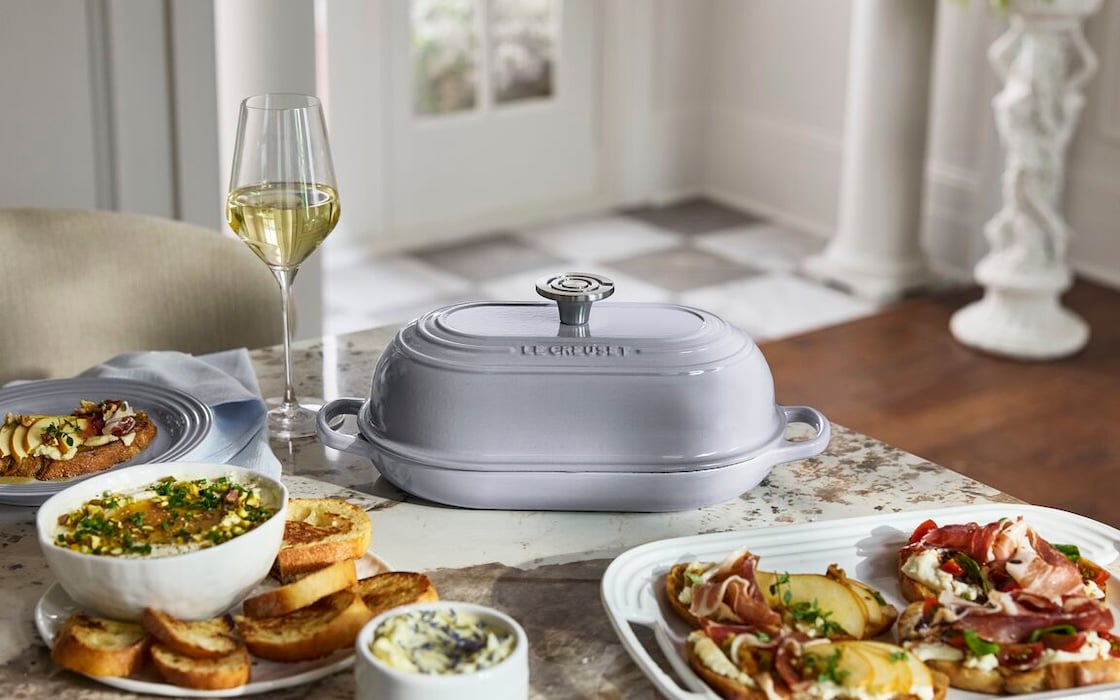
Classic French cooking is often associated with refinement, but some of the most enduring dishes are built from simple foundations: a good sear, a well-made sauce, and a slow braise that develops flavor over time.
While ingredients and recipes may vary across regions, the techniques behind them remain consistent. Rather than relying on complexity, classic French cooking is built on a handful of techniques: browning, roasting, braising, reducing and finishing with balance. These methods are practical, adaptable and shape a dish long before it reaches the table.
The Essential Techniques
The foundational techniques behind French cuisine influence everything from a classic roast chicken to a simple pan sauce built from what remains in the skillet.
Searing and Browning
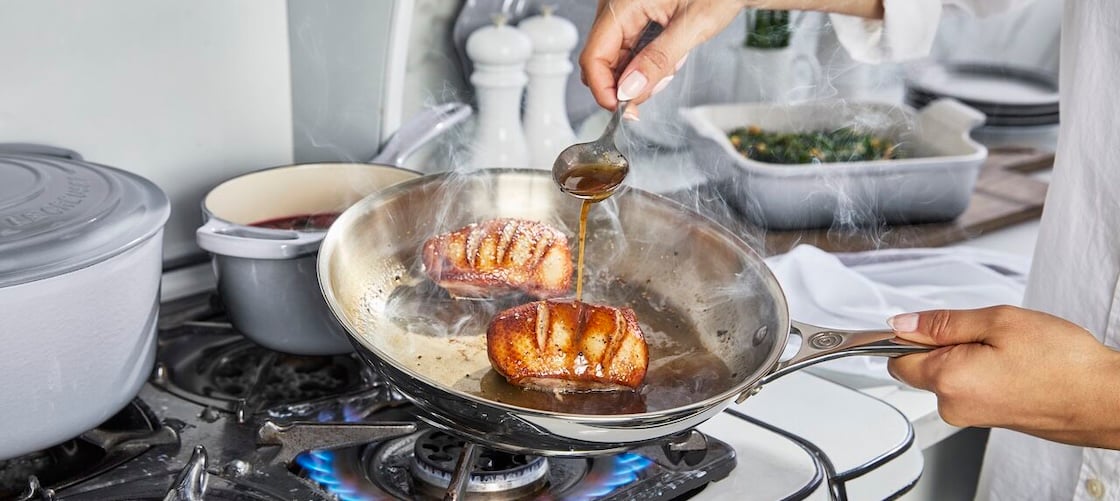
Color is flavor. Proper browning develops richness and complexity while creating the foundation for sauces, braises and pan drippings. Whether searing duck breast or roasting chicken thighs, this first step often determines the depth of flavor that follows.
Roasting
Roasting concentrates flavor and creates contrast in texture. Crisp skin, caramelized vegetables and golden gratins all rely on the transformative power of dry heat.
Braising
One of the most rewarding techniques in French cooking, braising combines searing with slow cooking to create dishes that are deeply flavorful and exceptionally tender.
How to Braise Meat and VegetablesReduction
Many classic French sauces begin with wine, stock or cream. As the liquid slowly reduces, flavors become more concentrated, creating sauces that feel balanced, structured and refined.
Finishing
Fresh herbs, citrus, butter and flaky salt sharpen and refine a dish just before serving.
A Foundation in Pan-Roasting
Pan roasting is one of the clearest examples of these techniques working together. It begins with browning, builds flavor through aromatics and finishes with a sauce created from the same pan.
In many ways, it captures the essence of French cooking: simple ingredients transformed through technique. The process itself is straightforward, but each step contributes something important.
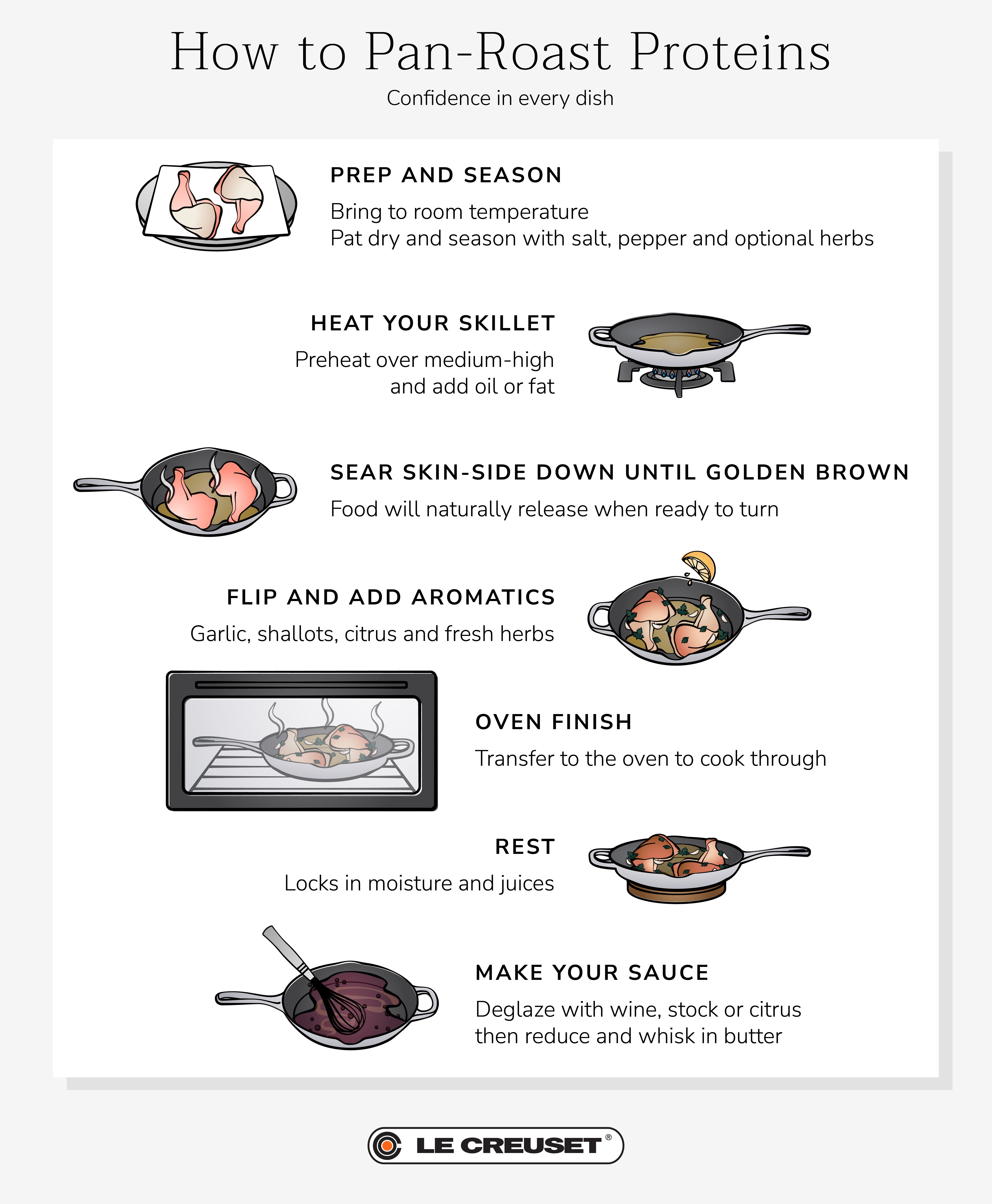
Technique in Practice
The techniques behind French cooking have stood the test of time not because they are traditional, but because they work. Once the fundamentals are understood, they become tools that can be adapted across countless recipes and occasions.
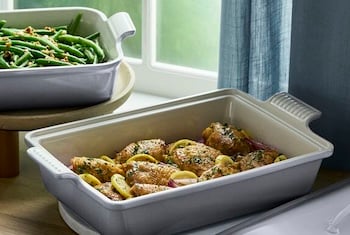
Lemon, Thyme and Shallot Roasted Chicken Thighs
A simple take on a classic dish, roasted at high heat for crisp skin and deep flavor.
Get the Recipe
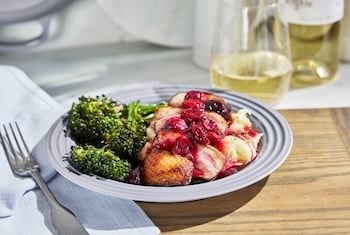
Seared Duck with Cherry Port Reduction
Careful rendering and reduction create contrast between crisp texture and rich sauce.
Get the Recipe
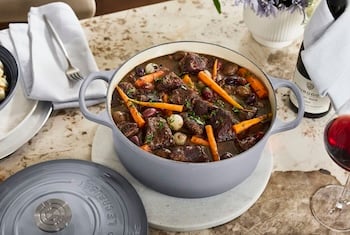
Daube de Boeuf
A traditional braise that relies on slow cooking and steady heat to build depth and tenderness over time.
Get the Recipe
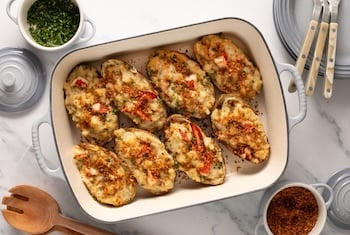
Lobster Thermidor Twice-Baked Potatoes
Creamy, deeply savory and finished with golden browning that adds texture and richness.
Get the Recipe
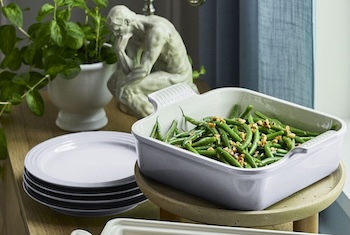
Roasted Haricots Verts with Brown Butter and Hazelnuts
Simple roasting techniques paired with browned butter create nutty depth and contrast.
Get the Recipe
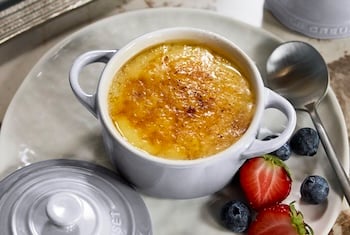
Vanilla Bean Crème Caramel
A reminder that simplicity and technique matter just as much in dessert.
Get the Recipe
Related Posts
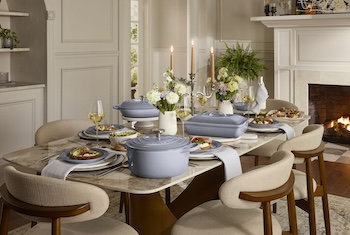
Color Conversations: Discover Château
Read More
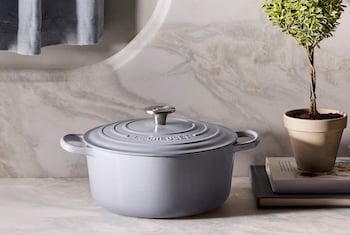
Signature Round Dutch Oven
Shop
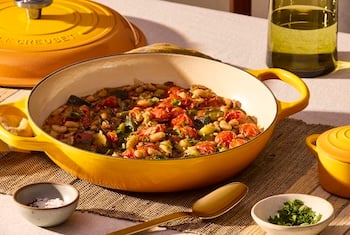
How to Use a Braiser in 4 Steps
Cooking Class