There’s a certain ease to cooking along the Mediterranean. The focus is on letting the ingredients shine, building flavor with intention, and creating meals that feel as effortless and relaxed as they are memorable. That’s the spirit behind Riviera: sun-washed, vibrant, and rooted in a slower, more intuitive way of cooking.
To explore that idea in practice, we turned to Chef James London of Chubby Fish in Charleston. Known for his thoughtful, ingredient-driven approach to seafood, Chef brings a perspective that prioritizes restraint, technique, and a deep respect for what’s in front of you.
Shop RivieraCooking with Riviera: Technique Meets Ease
Seafood, at its best, doesn’t need much. Instead of aggressive heat or heavy seasoning, Riviera-inspired cooking leans into techniques that let fish keep its delicate texture while building flavor in a more subtle way. The result feels balanced and cohesive, where nothing competes and everything works together.
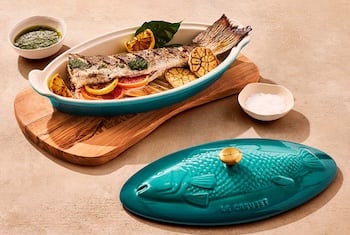
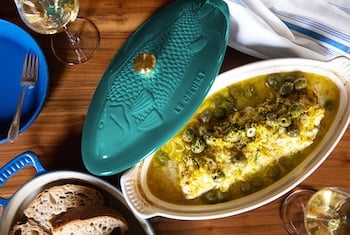
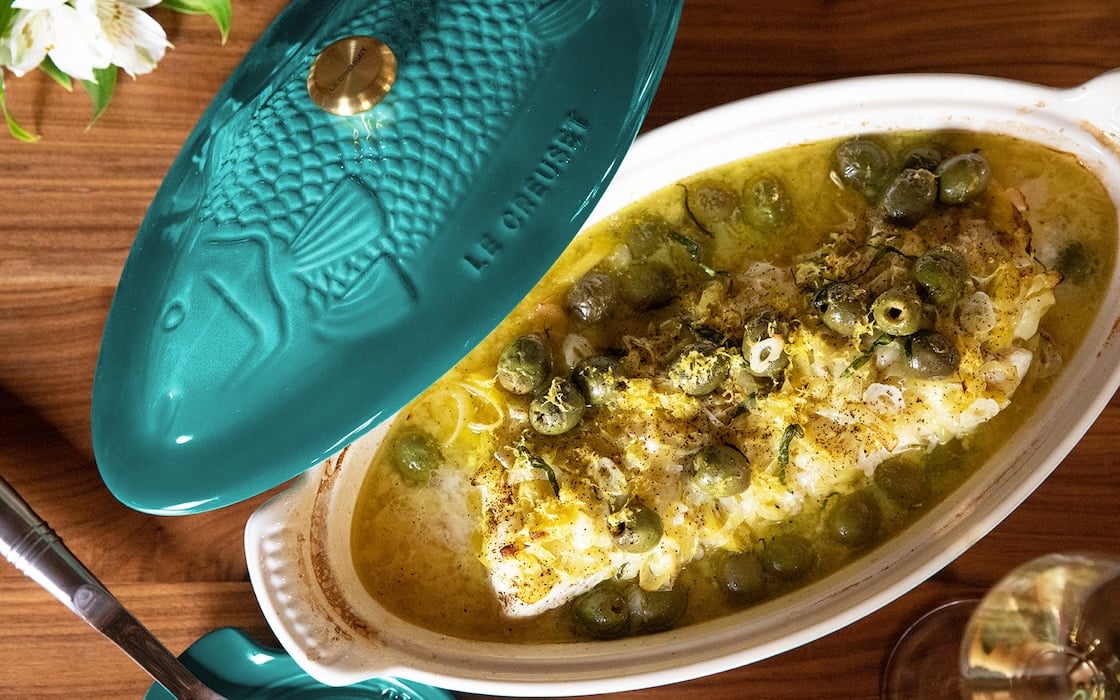
This approach comes to life in Chef James London’s Oven-Braised Fish with Tarragon, Leeks and White Wine. Prepared in the Heritage Fish Baker, it’s designed for exactly this kind of cooking. The ridges on the bottom of the dish keep the tilefish elevated for even cooking, while the stoneware lid locks in moisture and flavor. Perfect for baking, roasting, steaming and broiling all manner of fish recipes, it offers a striking presentation from oven to table.
Get the Recipe: Oven-Braised Fish with Tarragon, Leeks and White WineFlavor, Brightness and Balance
If there’s a defining characteristic of Riviera cooking, it’s brightness. A finishing touch of citrus zest. A drizzle of good olive oil. These are the details that transform a dish; the small, intentional additions that enhance rather than overpower. It’s a style of cooking that feels fresh, layered, and quietly confident. Equally important is seasoning from within. Brining (whether wet or dry) is one of the most impactful ways to ensure seafood is flavorful throughout while maintaining its natural moisture.
From Sea to Table
Good seafood starts long before it reaches the pan. Building a relationship with a trusted fishmonger, understanding what’s fresh, and allowing ingredients to guide your approach takes some of the guesswork out and lets you cook with a bit more confidence. The same goes for your pantry. You don’t need much – a few essentials like high quality olive oil, salt, and a few finishing ingredients can carry a dish further than an overcomplicated ingredient list.
Chef's Tips for Sourcing, Preparing, and Cooking Seafood
How can home cooks build flavor and depth in seafood dishes without overpowering delicate fish?
The biggest mistake I see home cooks making when preparing fin fish is trying to hard sear a piece of fish. For a long time that was how we prepared all skin-on fish in restaurants but over time I’ve found that fish prefers a much gentler style of cooking. At Chubby Fish we look at techniques like poaching and braising to get a reinforced sauce and a perfectly cooked piece of fish.
How can you elevate seafood dishes with aromatics, herbs and finishing touches?
Seafood loves a bright finish. We use more citrus zest than anyone I know. A microplane and either lemon or lime zested over seafood gives it a whole new dimension. We pretty much finish every seafood dish with zest and a glug of good arbequina olive oil.
What are the most common mistakes home cooks make when preparing fish, and how can they avoid them?
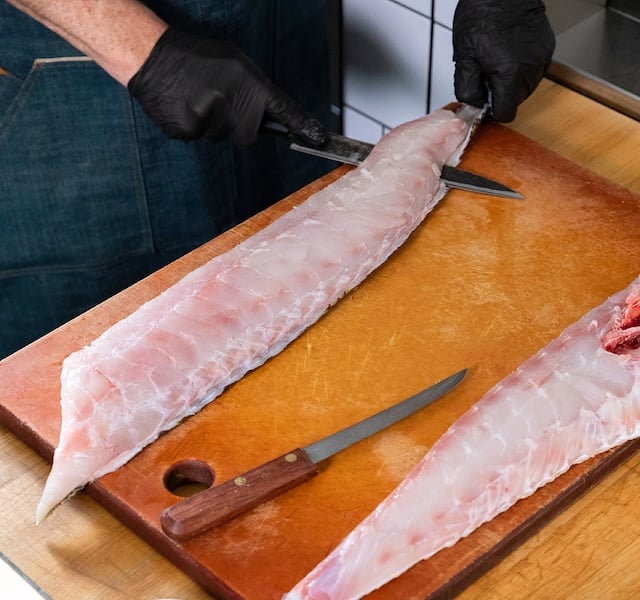
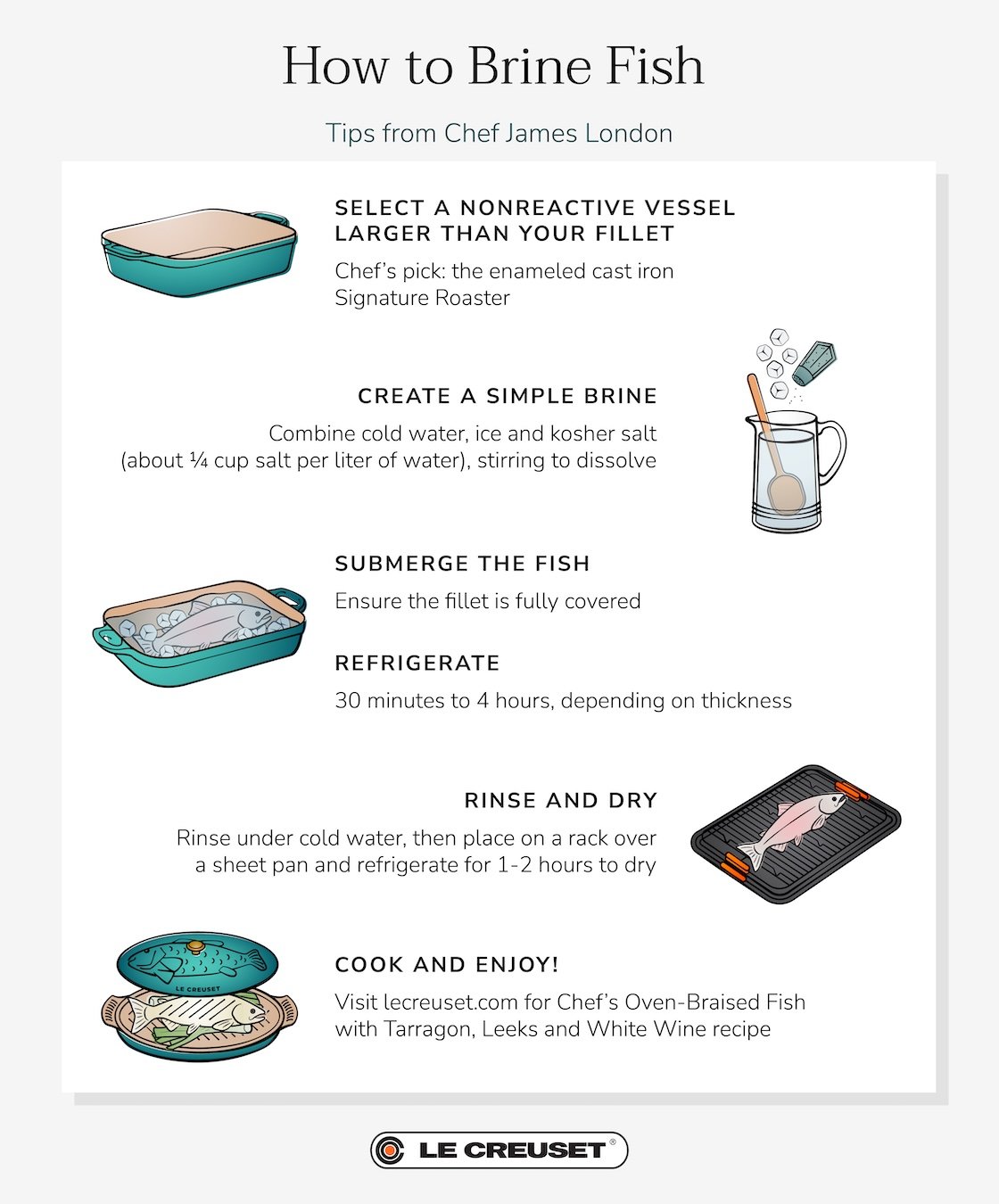
Every piece of fish at Chubby Fish is brined. Sometimes we wet brine and sometimes we dry brine, but they all receive a brine. This cleans up the flesh of the fish and ensures the fish will be moist and seasoned throughout. This is almost never taught to home cooks but is a step of the process that is crucial to achieving a great dish. When one simply seasons before cooking you forgo seasoning the inside of the fish and you wind up with a bland product.
Tip: Chef loves to brine his fish in the Signature Roaster
The other common mistake I see is people not tempering out their fish before cooking. If your piece of fish is cold from the refrigerator when you go to cook it, you can bet that the outside portions of the fish will be over cooked before the inside is cooked through. It’s very important to allow your fish to come up close to room temp before you cook so we always allow the fish to temper on the counter before we actually get into cooking it.
What are your top tips for sourcing fresh seafood?
Know your fisherman or fish monger. Develop that relationship, it makes all the difference in whether you will get the best product or not.
What are a few of your favorite underrated or unexpected flavor pairings?
I’m a big fan of green tabasco with seafood. It adds a lovely freshness and zip and if used with restraint the guest cannot tell what is giving the lift; they just know that there is something ethereal happening. We will do the same thing with garlic and vinegar. We will take a clove of raw garlic and microplane it into a couple tablespoons of champagne vinegar. We add that to finish pan sauces or a pasta and it elevates the dish to a whole new place.
How do you clean, store and prep fish or shellfish to keep it fresh until cooking?
Storage depends on the product or species, but we try to keep any seafood as cold as possible until we are ready to cook. At the restaurant we use something called sport towels to wrap our fish and they keep the fillets at the perfect moisture level.
Which cookware pieces do you reach for most when preparing seafood and why?
I love my Le Creuset Heritage Fish Baker. It is such a stunning presentation when dropped down on a table and allows the fish to be cooked gently in its own liquid so it reinforces the flavor of the fish and gives you a beautiful sauce to spoon over the top.
If I’m looking to glaze a fish, I will reach for a round skillet and I start with a flavorful liquid such as chicken stock or dashi with a pat of butter and I will reduce the liquid while basting the fish until the fish is just cooked through and almost reduced all the way. This gives you a rich, buttery jus that enrobes the fish.
How do cooking methods (poaching, grilling, baking, steaming) bring out different qualities in seafood?
All four of these methods are great for gently cooking seafood. They allow the natural flavors of the seafood to shine through. The one thing I would say with grilling is that it is rare that we will finish a piece of fish on the grill. Oftentimes we will grill the fish to get the grill marks and the flavor of the char but then we flip the fish into a pot of flavorful liquid on the side of the grill and let it gently poach through so that the fish does not dry out.
What are three pantry ingredients that you always have on hand?
We always have good extra virgin olive oil, Diamond Crystal Kosher Salt, and white soy sauce.
How do you bring a sense of place to your cooking style?
My cooking style revolves around a sense of place. I’m influenced by the products coming in our back door and we let the products tell us how to cook them and what they should be paired with.
Pair, Serve and Savor
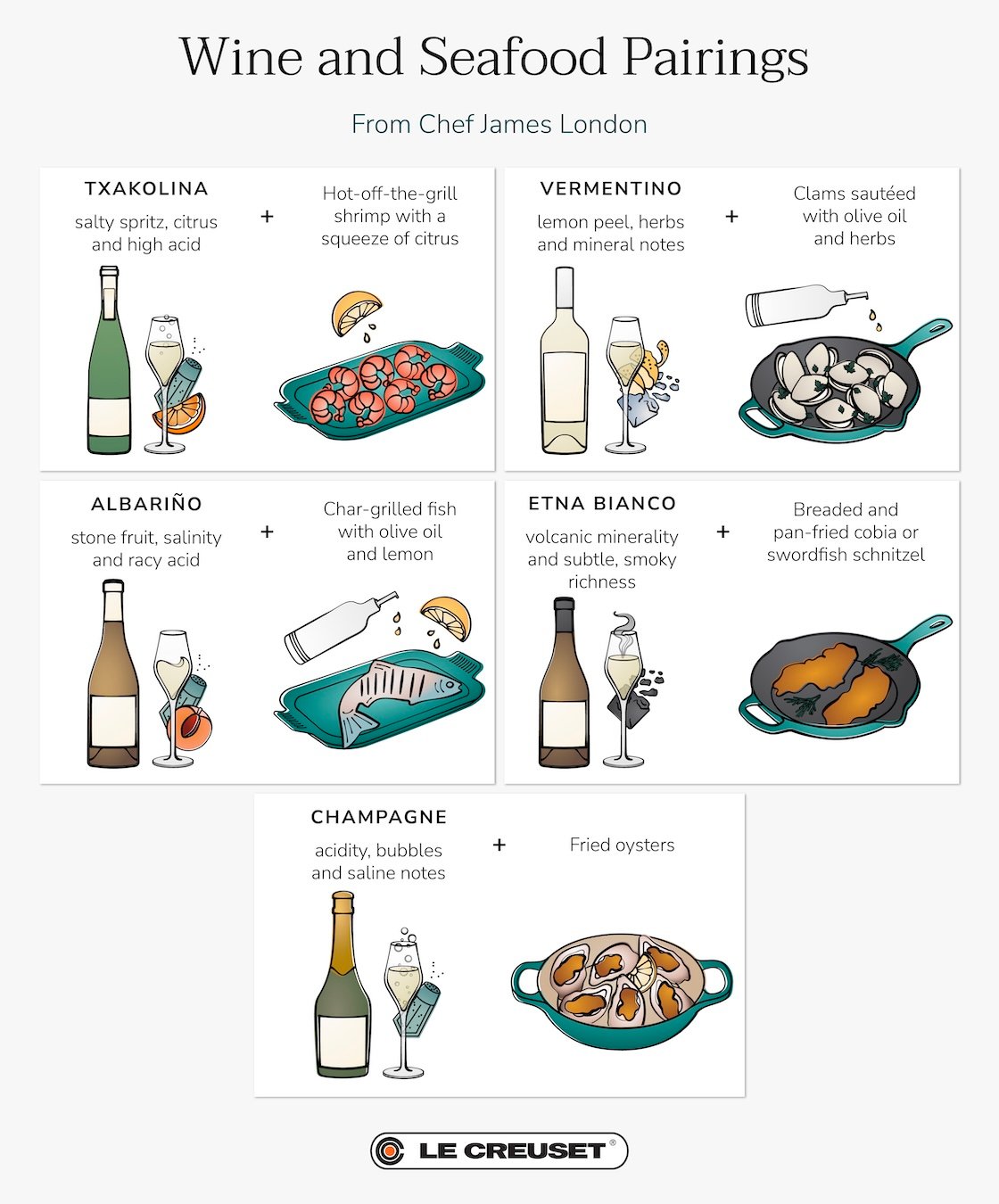
Riviera cooking extends beyond the plate. It’s about how you serve, gather and enjoy it. The right wine pairing can highlight the freshness of seafood, balance richness and make a simple meal feel a little more special.
Looking for a place to start? Explore a few of Chef’s favorite wine and seafood pairings and why they work so well together.
With a few thoughtful techniques, a handful of great ingredients and the right tools, Riviera invites you to slow down, cook with a bit more ease and trust the ingredients in front of you.