Greens are among the most versatile ingredients in the kitchen. From tender baby leaves to hearty, cold-weather varieties, they adapt beautifully to a wide range of cooking techniques. Learning how to prepare different greens not only expands your seasonal cooking repertoire but also helps you make the most of what is fresh, abundant and often overlooked.
Whether you’re simmering greens into soups, quickly sautéing them for a weeknight side, or turning them into something unexpected like pesto or chips, the right technique makes all the difference. Below, we break down the most effective ways to cook and enjoy popular greens, along with an essential guide on how to match each variety to the preparation that suits it best.
Understanding Your Greens
Not all greens behave the same in the kitchen. Some thrive with heat, others benefit from longer, gentler cooking, and some are best left raw. Understanding these differences helps you choose techniques that enhance each green’s natural character.
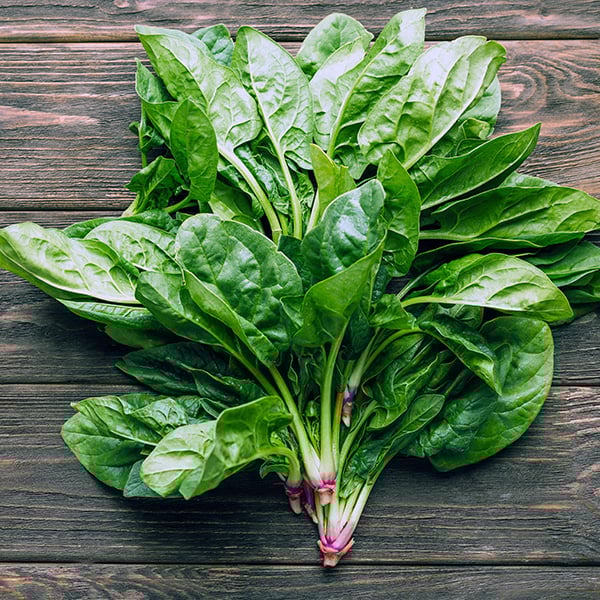
- Tender greens such as spinach, arugula, and watercress are quick-cooking and versatile. They can be lightly wilted, blended or enjoyed raw where their fresh flavor and delicate texture shine.
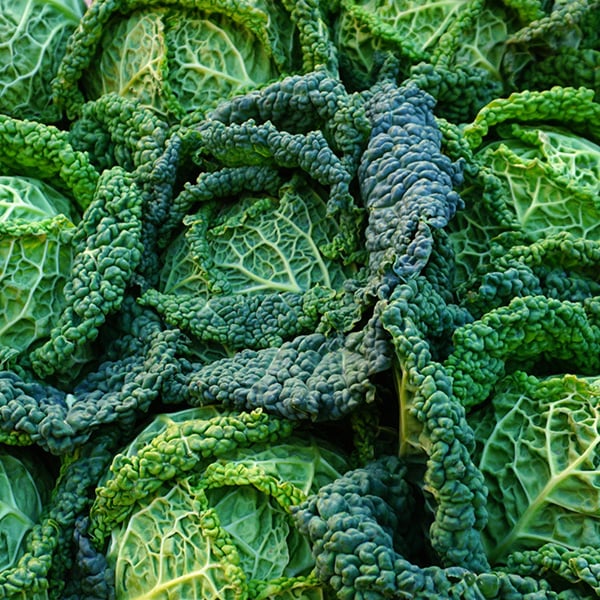
- Sturdy greens like kale, collards, Swiss chard and cabbage can handle higher heat and longer cooking times, making them ideal for sautéing, braising, roasting, and grilling.
- Bitter greens including broccoli rabe, mustard greens, radicchio and dandelion greens often benefit from blanching or braising, or from being paired with rich fats or bright acids to balance their bite.
- Raw greens such as arugula, spinach and watercress are excellent in salads and uncooked preparations. But even sturdier leaves like kale can be enjoyed raw—simply massage the leaves with oil and acid to soften their texture.
Caring for Fresh Greens
Proper care starts as soon as greens come home from the market.
- Rinse leaves thoroughly in cold water to remove dirt and grit, lifting them gently from the bowl rather than pouring everything through a strainer so sediment stays behind.
- Dry well using a salad spinner or clean kitchen towels since excess moisture can cause greens to spoil faster.
- Store greens loosely wrapped in paper towels inside a breathable bag or container in the refrigerator. This helps absorb moisture while keeping leaves crisp. Most greens are best used within a few days, though sturdier varieties like kale and collards will last longer when properly stored.
Popular Flavor Pairings and Finishing Touches
Greens are delicious on their own, but a few classic pairings instantly elevate their flavor. Bitter varieties love richness and salt, while mild greens welcome brightness and acidity. These elements help balance flavor and bring out the best in each leaf. Depending on what flavor profile you are looking for, here are some additions to consider when cooking with greens.
- Acid and Brightness: Lemon, vinegar, tomatoes, citrus zest
- Richness and Fat: Olive oil, butter, cream, cheese
- Herbs and Aromatics: Garlic, shallots, dill, parsley, tarragon
- Savory Depth: Anchovies, pancetta, Parmesan, mushrooms
- Sweet Contrast: Apples, raisins, caramelized onions
Cooking Greens with the Right Tools
While remarkably forgiving and adaptable, the right cookware helps you cook greens with greater control and confidence. Wide shallow pans like Skillets and Fry Pans allow excess moisture to evaporate quickly which is essential for sautéing and roasting. Deeper pots like Dutch Ovens provide steady, even heat for braising, soups, and stews.
For baked and creamed greens, Casseroles and Baking Dishes offer even heat distribution and excellent heat retention, allowing dishes to move seamlessly from oven to table while staying warm for serving. And for making and presenting show stopping salads, stoneware Serving Bowls are the perfect complement to your green creations.
Essential Techniques for Cooking Greens
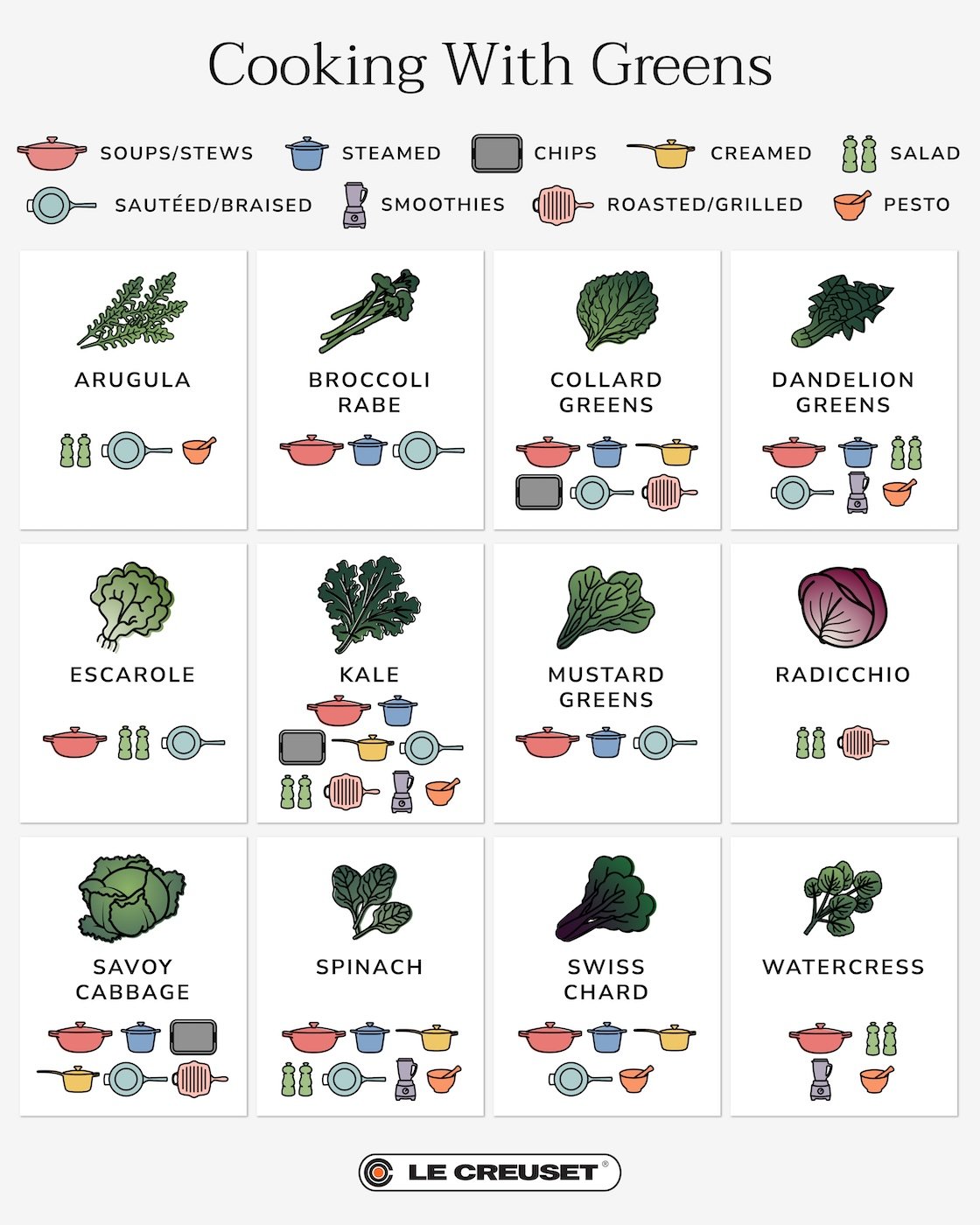
Not sure which method to use? Here is a reference on how to best cook various greens, along with recipe suggestions to try. Let it guide you toward new ways of cooking and enjoying all types of greens.
SAUTÉING & BRAISING
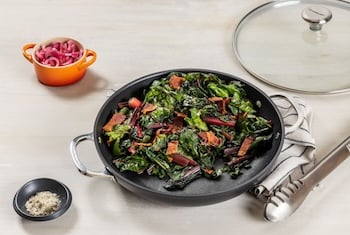
Quick sautéing is ideal for greens that cook down easily, such as spinach, Swiss chard, and mustard greens. Braising is better suited to heartier greens like kale and cabbage and softens them to create a deep, savory side dish or folded into grains and pastas.
Get the Recipe: Smoky Braised Swiss Chard with Crispy Bacon and Pickled Onions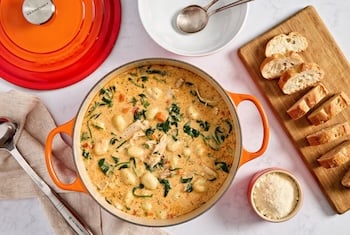
SOUPS & STEWS
Kale, collards, cabbage, escarole and Swiss chard hold up well to longer simmering, absorbing flavor while contributing texture. More delicate greens, like spinach or watercress, are best added toward the end to preserve their color and freshness.
Get the Recipe: Creamy Chicken Gnocchi Soup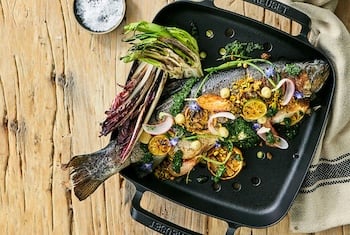
ROASTING & GRILLING
High heat transforms greens in surprising ways. Radicchio and cabbage develop crisp edges and a subtle sweetness when roasted, while romaine becomes mellow and slightly caramelized on the grill.
Get the Recipe: Grilled Rainbow Trout with Charred Radicchio and Gremolata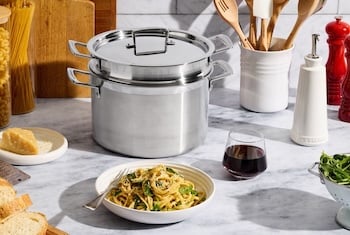
STEAMING, BLANCHING & WILTING
Steaming is a simple, gentle method that highlights the natural flavor of greens like kale, arugula, Swiss chard, or spinach. It’s especially useful as a first step before sautéing or folded in right at the end for just wilted silkiness.
Get the Recipe: Cacio e Pepe with Arugula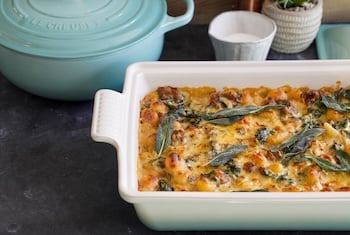
CREAMING
When paired with a rich, creamy sauce, greens like spinach, kale and collard greens mellow and become a deeply flavored, comforting dish. This technique pairs well with holiday meals and works beautifully baked in stoneware for even heat and a golden finish.
Get the Recipe: Creamy Baked Gnocchi with Sausage & Kale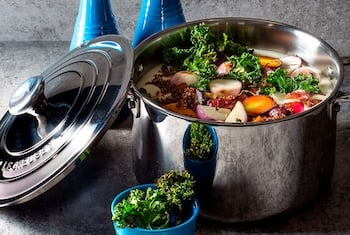
CHIPS
Turning greens into chips is a great way to use up heartier varieties like kale or collards. Tossed with oil and roasted until crisp, they become a satisfying snack or garnish with minimal effort.
Get the Recipe: Chunky Roast Baby Root Vegetable Soup with Crispy Kale Chips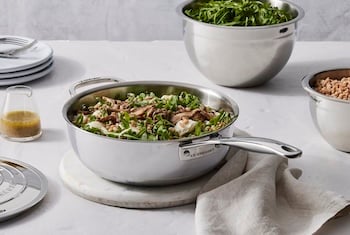
SALADS
Not all greens are destined for the stove. Most greens are also excellent raw, offering a variety of flavor notes, from cold and crisp to peppery and bold. Massaging sturdier greens like kale with oil and acid helps soften their texture for salads.
Get the Recipe: Wild Mushroom and Arugula Farro Salad with Sherry Tarragon Vinaigrette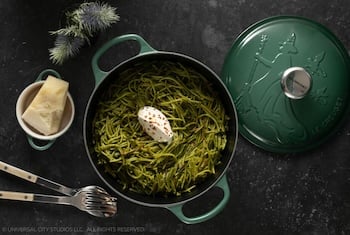
PESTO
Greens such as arugula, spinach and watercress make excellent pesto bases, either alone or blended with herbs. This is an easy way to preserve greens and add instant flavor to pasta, grains and even breads.
Get the Recipe: Toasted Pesto Broom Bristle Noodles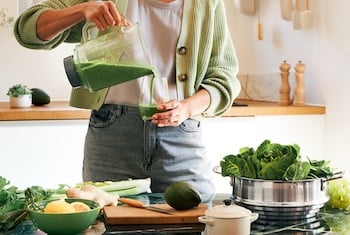
SMOOTHIES
Nutritionally packed, spinach, kale and dandelion greens blend effortlessly into smoothies, adding nutrients without overpowering sweetness. Pair with yogurt, fruit and protein powder to create an easy on-the-go meal in a cup.
Get the Recipe: Green Smoothie