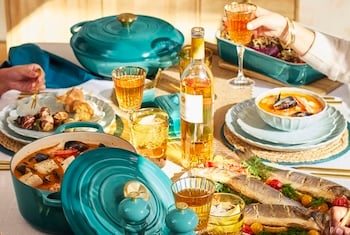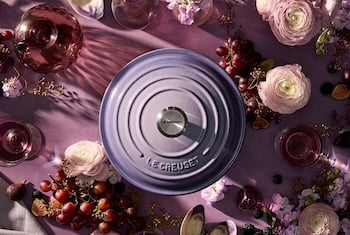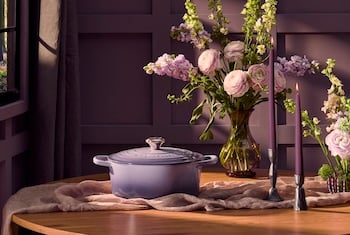
There’s a certain way of cooking in Southern France that feels instinctive. Olive oil warming in the pan, garlic softening until fragrant, herbs picked fresh from the garden. Ingredients are layered simply, thoughtfully, and always with a sense of place. Provençal cooking is rooted in what’s available and what’s in season, shaped by coastal influences and countryside traditions. It invites you to slow down, taste as you go, and let each ingredient shine.
The Foundations of Provençal Cooking
At its core, Provençal cooking is built on a handful of essential ingredients that show up again and again, each bringing depth, fragrance, or brightness to a dish.
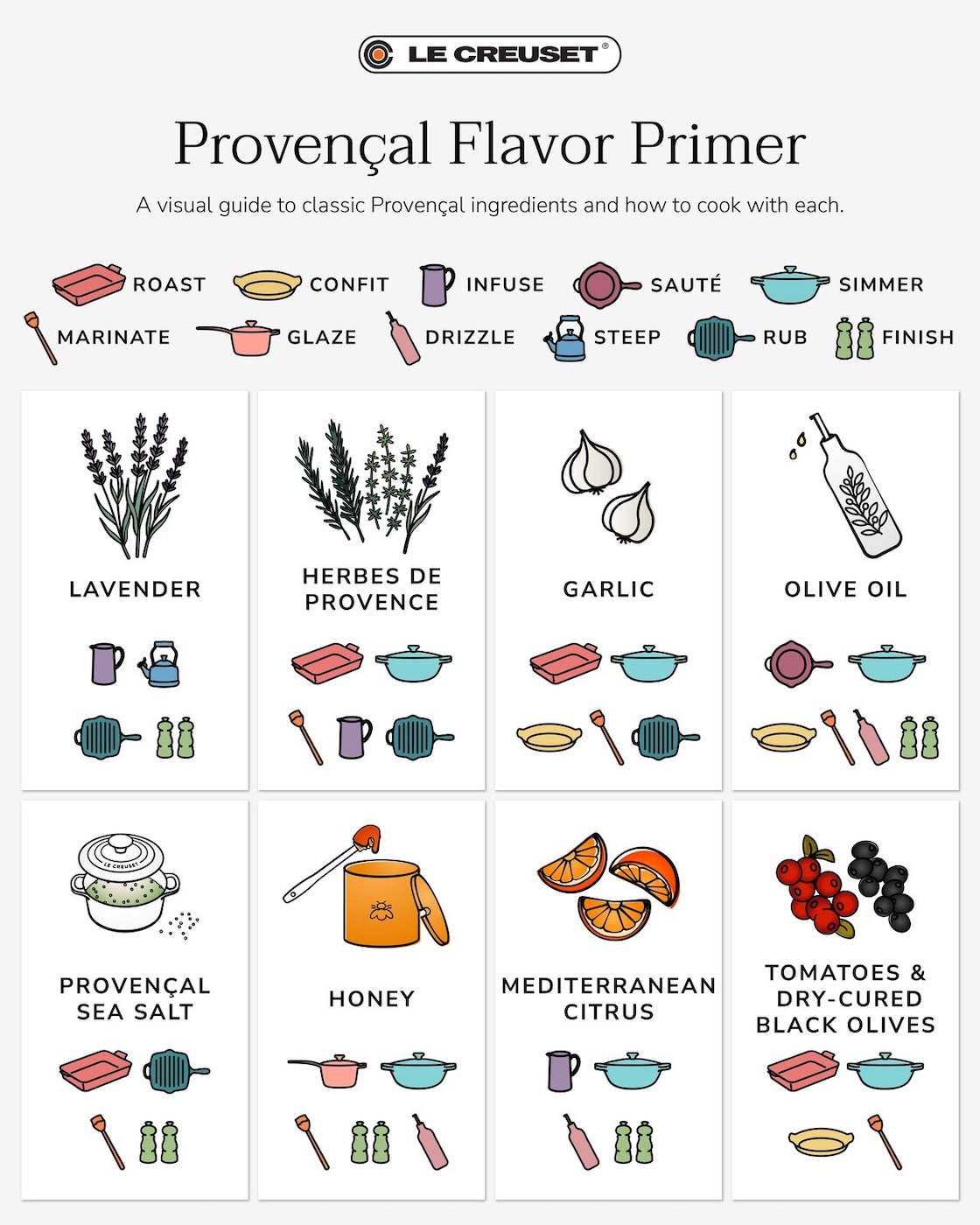
- Olive oil is the starting point for almost everything, whether gently sautéing vegetables or finishing a dish with a final drizzle
- Garlic adds warmth, often cooked low and slow until soft and sweet
- Herbes de Provence, a blend of thyme, rosemary, and other dried herbs, brings a distinctly regional aroma
- Tomatoes and olives lend richness and briny contrast, especially in slow-simmered dishes
- Honey and lavender add a delicate sweetness
- Citrus and sea salt brighten and balance
Use the guide below as a reference to explore how these ingredients come to life in the kitchen.
Cooking the Provençal Way
There’s no single formula, but a few techniques define the style. Slow simmering brings depth to dishes like seafood stews and vegetable ragouts. Roasting concentrates flavor, especially for market vegetables and potatoes. Infusing oils and syrups with herbs or lavender adds nuance in small but impactful ways.
Even the simplest preparations feel elevated. A pan of roasted fish becomes something memorable with tomatoes, olives, and a splash of citrus. A pot of vegetables transforms into ratatouille with time and patience. A handful of pantry staples, treated with care, becomes the meal.
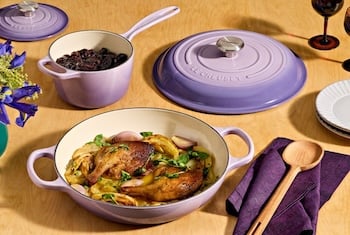
Braised Duck Legs with Fig, Lavender and Red Wine Syrup
Rich, deeply savory and finished with a subtle floral sweetness
Get the Recipe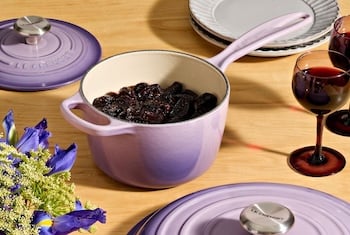
Fig, Lavender and Red Wine Syrup
A versatile infusion that adds depth to both savory and sweet dishes
Get the Recipe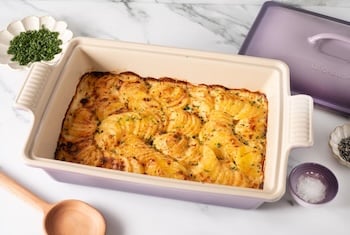
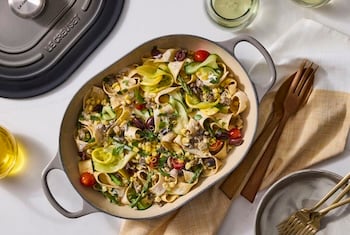
Farmers Market Pasta Provençal
Seasonal vegetables brought together with olive oil and herbs
Get the Recipe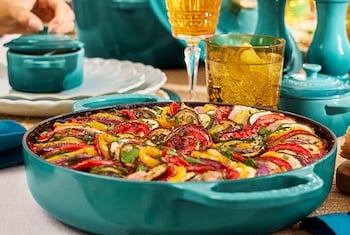
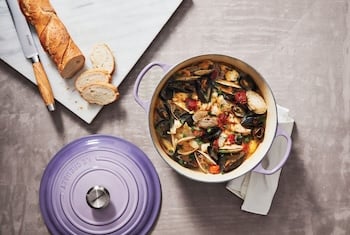
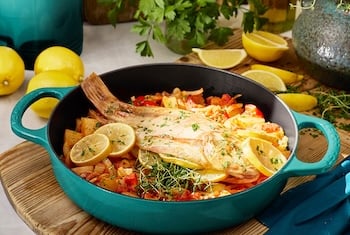
Provençal Bouillabaisse
A slow-simmered seafood stew that captures the spirit of the coast
Get the Recipe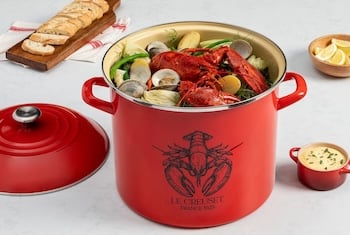
Steamed Lobster and Clams with Fennel and Aioli Provençal
A coastal classic that feels both elegant and effortless
Get the RecipeChoosing the Right Cookware
While the beauty of Provençal cooking is in its simplicity, it’s guided as much by technique as it is by ingredients. The cookware you reach for shapes how those ingredients come together.
Enameled cast iron is especially well suited to this style of cooking. You can build flavor gradually, whether you are softening garlic in olive oil or letting a stew simmer until everything melds together.
- A Dutch oven is often the anchor. It’s the piece you turn to for longer cooking, when you want consistency and depth.
- A braiser offers something different, with more surface area for browning and reducing, which is key when flavor starts in the pan.
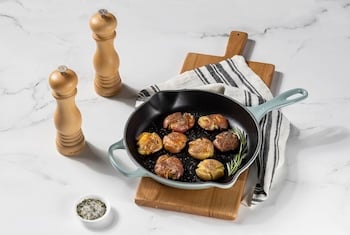
- Pieces like the Signature Everyday Pan or Signature Skillet offer everyday versatility, perfect for everything from pan roasting and sautéing to stir-frying and preparing one pan meals.
- Smaller pieces play their part too. A saucepan brings control when you are working with infusions or reductions, while stoneware is ideal for dishes that need steady, even heat in the oven and transition easily to the table.
Together, your cookware supports a way of cooking that feels intuitive, flexible, and rooted in simple technique.
Provençal cooking isn’t about mastering a single dish. It is about adopting a way of cooking that feels natural and generous: Start with good ingredients. Cook them simply. Let time and heat do their work. Finish with something fresh or bright that brings the dish into balance. Whether it is a slow afternoon spent tending to a simmering pot or a quick meal pulled together from what is on hand, the result is the same. Food that feels grounded, seasonal, and meant to be shared. And with the right pieces in play, even the everyday begins to feel like a small escape to the South of France.